
Why Gen Z Is Redefining Holiday Marketing in 2026
Imagine planning your holiday campaign the same way you did three years ago. Big discounts. Glossy ads. Influencer posts that look like commercials. Now imagine showing that to Gen Z in 2026. They’d scroll past it in seconds.
Here’s the truth; Gen Z now holds serious buying power, and more importantly, they influence everyone else’s buying decisions; friends, siblings, even parents. By 2026, Gen Z isn’t just participating in holiday shopping; they’re actively rewriting the rules of how holidays are marketed, experienced and remembered.
What sets Gen Z apart isn’t just age; it’s mindset. They shop with intention, emotion, speed, and skepticism, all at once. They don’t want to be ‘sold to’. They want to feel seen and understood. They don’t chase perfection. They chase relevance. And they don’t separate online from offline; it’s all one blended experience.
Culturally, Gen Z is shaped by economic uncertainty, climate awareness, creator culture and always-on digital access. Digitally, they’re native to social commerce, instant gratification and algorithm-driven discovery. Socially, they value community validation over brand authority. Put all that together, you get a holiday shopper who’s fast, values-driven, experience-hungry and impossible to impress with generic campaigns.
If you’re marketing to Gen Z this holiday season, 2026 demands a different playbook.
Trend #1: Hyper-Personalized Holiday Shopping (Without the Invasive AI Feel)
Gen Z wants personalization; but not the kind that feels robotic or invasive. Forget ‘Hi Sarah, you looked at this product yesterday’. That doesn’t impress them. What does work is identity-based personalization.
They respond to brands that understand their values, aesthetics, moods and micro-communities. Think style quizzes instead of recommendation engines; ‘Mood-based bundles’ instead of ‘Top Gifts for Everyone’; Curated holiday sets that feel like they were made for them, not for a demographic bucket.
You’re seeing this come alive through interactive tools like short quizzes, community polls, vibe selectors, even comment-driven curation because, Gen Z enjoys participating in the creation of what they buy.
How you should respond:
Focus on first-party data that customers willingly give you. Use polls on social media, preference centers in emails and micro-segmented email flows that speak to lifestyles, not age groups. Personalization in 2026 is less about tech and more about listening.
Trend #2: Instant Experience Buying — Pop-Ups & Smart Vending Machines
Gen Z loves the thrill of speed. They want shopping to feel quick, fun and, at the same time, low-commitment. That’s why smart holiday vending machines are exploding in 2026.
Picture this; You’re at a mall, airport or music festival. You spot a beautifully branded vending machine offering curated gift picks, limited holiday drops, or emergency last-minute presents. It’s frictionless, playful and perfect for impulse buying.
These machines turn shopping into an experience without demanding time or effort. No queues. No pressure. Just instant gratification.
How brands should act:
Use gamified vending machines with swipe, spin or quiz-led selection. Add QR codes that unlock product stories, reviews or styling ideas. Position them where Gen Z already gathers, like malls, airports, college zones, festivals. Convenience + novelty always wins.
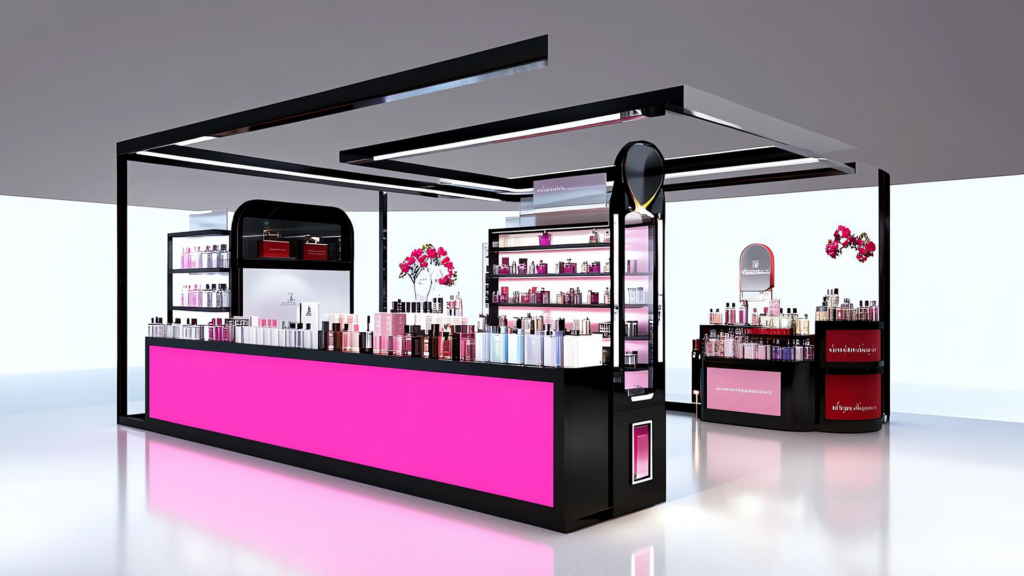
Source : Smart Retail Pop-Up Concept
Trend #3: Social-First Shopping (But Not Over-Produced)
Believe it or not, perfection is out of trend. Gen Z doesn’t trust ‘perfect’ content anymore. Over-produced holiday ads feel distant, staged and outdated.
What they do trust is Real moments. Messy unboxings. Low-light videos. Creator content that feels like a friend talking, not a brand pitching.
Holiday shopping in 2026 is deeply social, but raw. IRL hauls. Micro-influencers filming in their closets. Creators showing what they didn’t like as much as what they loved.
Your brand response:
Go behind the scenes. Share packaging mishaps, last-minute drops, team reactions, real customer videos. Repost your community instead of scripting them. The more human your content feels, the more credible it becomes.
Trend #4: Eco-Loyalty — Reduce, Reuse, Recycle
Gen Z doesn’t want sustainability claims. They want proof.
In 2026, eco-loyalty replaces brand loyalty. They care about transparent pricing, honest sourcing, visible impact, and packaging that doesn’t feel wasteful, especially during the holidays.
Gifting is shifting from fast and disposable to slow, repairable and recyclable. Refillable products. Reusable boxes. Minimal but meaningful packaging.
What you should do:
Show your sustainability score clearly. Swap excessive packaging for visible alternatives. Introduce refill machines or return-and-reuse programs where possible. If you’re doing something good, show it—clearly and simply.
Trend #5: Digital Collectibles & Limited Drops (Without the Metaverse Noise)
Gen Z loves exclusivity, but they’re over the hype. In 2026, digital collectibles are subtle, purposeful, and tied to real value.
Limited-run holiday merch, serialized drops and digital proof of ownership are back, but without heavy Web3 jargon. Think digital certificates, early access passes or collectible visuals tied to physical products.
The magic lies in physical + digital bundles; something you can hold and something you can keep online.
Brand takeaway:
Keep it simple. Make drops feel special, not complicated. Let digital elements enhance ownership, not distract from it.
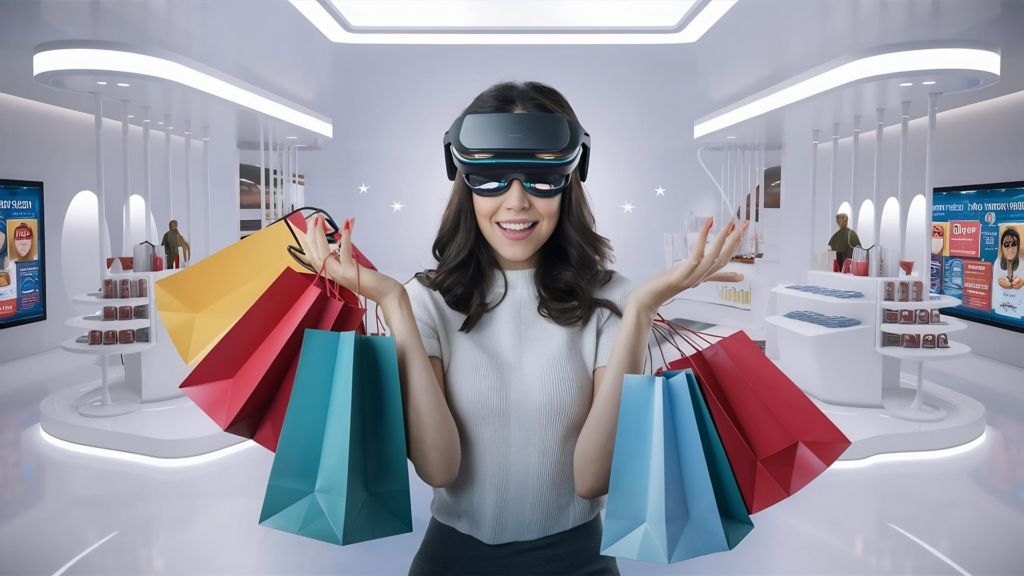
Source : Digital Shopping Concept
Trend #6: Value-Driven Luxury (Affordable but Premium)
Gen Z is price-conscious; but don’t mistake that for cheap tastes. They’re obsessed with brand values, quality and aesthetics.
This is why ‘affordable luxury’ is booming in beauty, fashion and self-care. Holiday gifting isn’t about excess; it’s about thoughtful indulgence.
How to win:
Offer seasonal treat bundles, exclusive minis, loyalty rewards and limited-edition packaging. Make premium feel accessible.
Trend #7: Hybrid Gifting — Online Research, Offline Purchase
Gen Z researches online but loves discovering offline. They read reviews, watch creator demos, and compare prices digitally—then buy in-store when it feels right.
This hybrid journey is where smart retail shines. QR codes in-store. Digital reviews at physical touchpoints. Vending machines acting as last-minute gift savers or restock stations.
Your move:
Design seamless transitions between online and offline. Let digital content guide physical purchases—and let physical experiences spark online sharing.
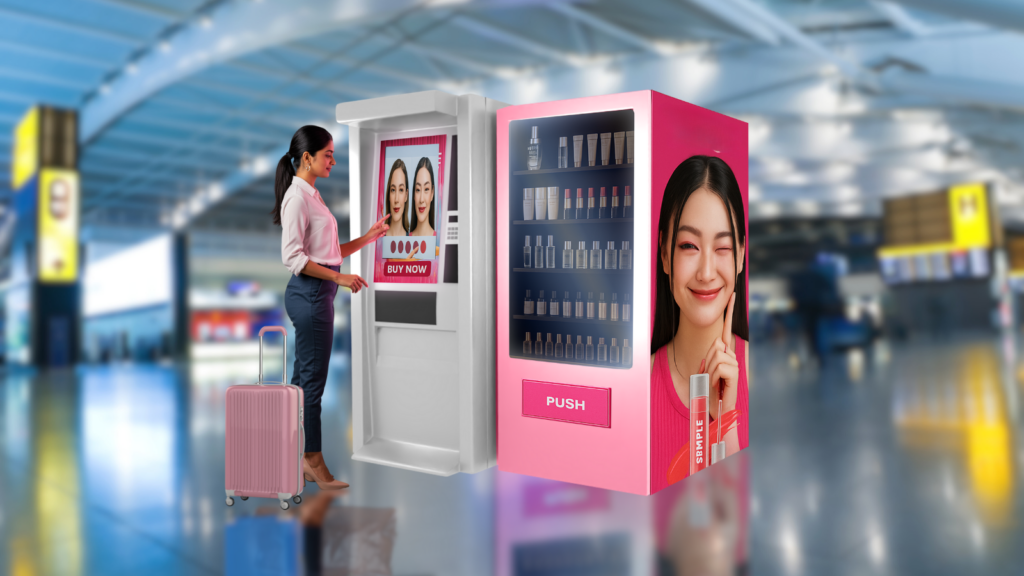
How Brands Should Respond: A Practical 2026 Holiday Strategy
Build for speed: quick checkout, mobile-first – Gen Z abandons anything that feels slow or clunky, especially during the holidays. Your checkout should be mobile-optimized, distraction-free and designed for one-hand shopping with minimal steps.
Build for community: micro-influencer partnerships – Communities often build more trust than big influencers do. So, partner with micro-creators who already speak Gen Z language and let them co-create holiday narratives rather than just promote products.
Build for trust: ethical sourcing and transparent storytelling – Gen Z expects clarity on where products come from and why they’re priced the way they are. Use simple storytelling—labels, QR codes, and short videos—to show sourcing, labor, and impact without over explaining.
Build for convenience: smart vending machines + local pop-up pick-ups – Holiday shopping is rushed, and Gen Z values brands that meet them where they are. Smart vending machines and local pick-up points reduce friction and turn convenience into a brand advantage.
Build for creativity: human, unfiltered content – Polished holiday ads no longer feel relatable. Share real moments, creator-led content, and behind-the-scenes stories that make your brand feel approachable, honest and culturally in sync.
This isn’t about doing everything—it’s about doing the right things well.
Case Snapshots: What This Looks Like in Action
# Tira’s limited-period vending machines, (15th December 2025 to 5th January 2026), lets users access mystery gift cards from the automated kiosk in 2 simple steps and collect their mystery gifts from the counter. It’s just the experiential magic that Gen Zs look forward to. (Verified by perplexity)
# Zara’s micro-drops (1000-2000 units per style) triggers Gen Z’s FOMO shopping trigger leading to higher footfalls and conversions. (Verified by Perplexity)
# Etsy leans heavily on creator and seller-led unboxing content to showcase unique, handmade holiday gifts. By encouraging creators to share real gifting moments, the brand builds trust and emotional connection without relying on overly produced ads. (Verified by Perplexity)
Small moves. Big relevance.
Gen Z Holiday Marketing in 2026 – What’s Next?
Gen Z is making holiday marketing more human than it ever was.
They want speed without pressure, sustainability without greenwashing, personalization without creepiness and content that feels real. Brands that stay community-centric, experience-focused and emotionally intelligent won’t just survive 2026, they’ll own it.
If your holiday campaign feels more like a conversation than a campaign, you’re on the right track already.