
In 2026, brand activation ideas for beauty brands have evolved. Beauty brands are investing heavily in experiential, digital-first formats that create real engagement, not just awareness.
The numbers prove it: 80% of brands increased experiential marketing budgets to 10-30% of total marketing spend.
Why? Because experiential marketing for beauty brands delivers what traditional advertising can’t: moments that spark curiosity, discovery, trial, and genuine connection.
These moments happen through:
- Interactive pop-up stores in the customer journey
- Smart vending machines for instant, impulse purchases
- AR and gamified experiences that drive engagement
- Educational workshops that build community
Together, these formats turn brand interactions into shareable stories that feel human, relevant, and memorable.
What Is Modern Brand Activation?
Brand activation turns passive awareness into active engagement, encouraging people to try, visit, share, or buy through interactive, time-bound campaigns. It demonstrates the brand’s promise instead of just communicating it.
Traditional vs. New-Age Activation
Traditional brand activation mainly included communication-led elements such as:
- In-store promotions
- Free samples
- Ads and billboards
- Events and exhibitions
The core of new-age brand activation includes phygital marketing strategies for D2C brands, such as:
- Pop-up experience stores
- AR and virtual try-ons
- Smart vending machines
- QR-based engagement and gamification
Why are beauty and wellness brands adopting new-age methods?
Beauty and wellness customers crave trust, trial and sensory engagement. Modern activations enable these interactions in a more hygienic, personalised, and tech-enabled way, making the engagement-to-conversion journey quicker and more effective.
Pop-Up Stores and Experiential Zones
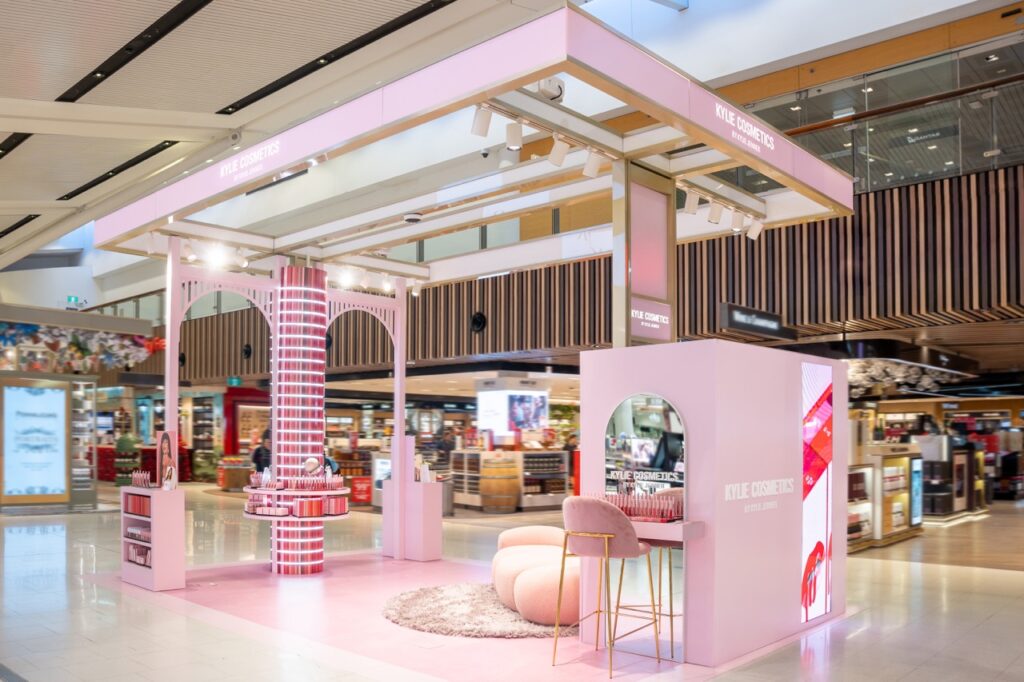
Pop-ups marketing ideas for cosmetics create hands-on experiences by bringing cosmetics brands into real spaces where customers can touch, try, and explore products.
Unlike scrolling past ads online, pop-ups let customers take part in activities, get personalised demos, and share their experiences on social media.
According to Deloitte Digital’s 2026 Benchmark Report, brands with 2 or more pop-ups experience 23% higher CLV. (Ref )
Examples – Kylie Cosmetics limited-run beauty lounges and Fenty Hair’s immersive salons both let guests test textures, get personalised recommendations, and capture Insta-ready moments.
The Benefits –
- High customer engagement
- Strong organic UGC creating social media buzz
- Better brand recall
- Opportunity to test new markets
Source : Kylie Cosmetics pop-up
AR and Digital Interactions
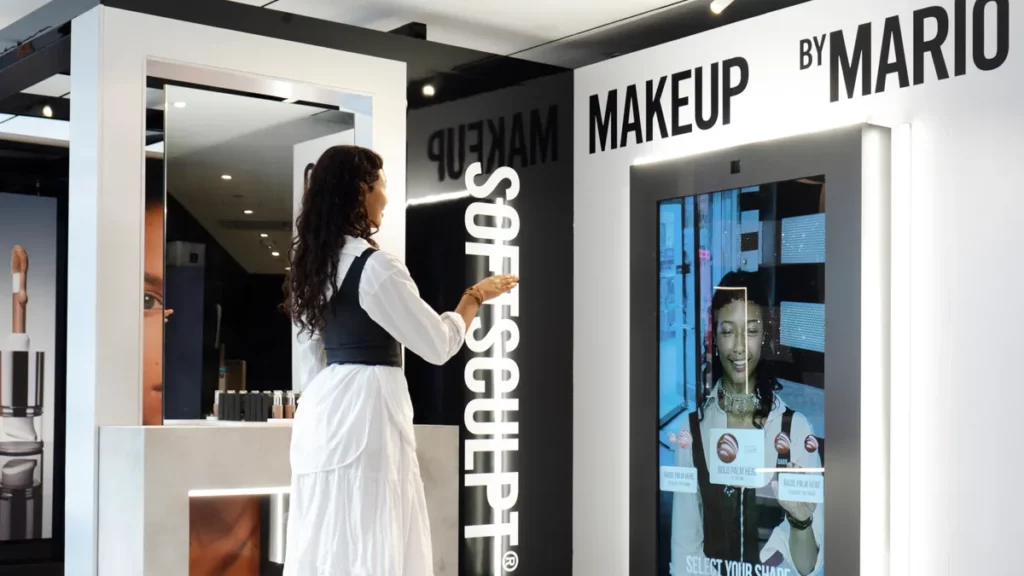
AR, virtual try-on, and smart mirrors are critical brand activation ideas for D2C brands
Customers love AR mirrors and virtual try-ons because they let them–
- Try makeup virtually
- Test different shades instantly
- See product results hygienically without physical contact
Digital tools such as AR, VR, QR codes, apps, and interactive screens deliver personalised experiences, reduce hygiene concerns, and let shoppers try more products in less time, thereby increasing trials, confidence, and repeat visits.
Statistics that support the benefits of AR and digital interactions–
- AR / VR can increase in-store dwell-time by 4minutes
- AR content can increase conversions by 94%
- Customers using smart mirrors spent 2.4 times more on cosmetics
Source : Makeup by Mario
Smart Vending Machines
Smart vending machines for retail brands are transforming D2C beauty into a 24/7, data-driven touchpoint for brand interaction.
- they function round-the-clock in high traffic areas like malls, airports, gyms, offices and events
- provide brands real-time analytics on sales, footfall and product performance
- recommend products and display tutorials
- make transactions easy with digital payments
Beauty retailers like Sephora, Elizabeth Arden, Benefits, L’Oréal, and Ulta are already using smart vending machines to bring products closer to customers in locations like airports, transit hubs, events and malls.
The benefits:
- 24/7 product availability
- Convenience and quick access
- Measurable engagement through data
- High impulse purchases
- Lower operational costs
Integrating Online and Offline Channels
Brand activation in 2026 is not an isolated online or offline experience. It is an integrated omnichannel journey where pop-ups, smart vending machines, apps, and e-commerce are seamlessly connected, each touchpoint reinforcing the others to boost trust, flexibility, loyalty, and sales.
For example, a customer may discover a product on Instagram, try it at a pop-up store and later purchase it online. This seamless experience allows the brand to stay connected with customers at every touchpoint, resulting in high CX, conversions and CLV.
Kylie Cosmetics and Huda Beauty have used hybrid brand activations, from pop-ups and smart vending machines to loyalty integrations, AR/VR and QR codes, to maintain their lead in this hyper-competitive landscape. (Ref )
Key Benefits of New-Age Brand Activation
New-age brand activation ideas for beauty brands are measurable growth engines that drive –
- Higher engagement and conversions – Interactive experiences keep customers engaged and increase purchase likelihood.
- Improved CX– Customers feel visible and understood by the brand.
- Measurable marketing outcomes – Digital tools provide key metrics on customer behaviour and interactions.
- Stronger brand loyalty – Memorable emotional connections bring customers back for more.
Conclusion
Brand activation in 2026 is not just about being seen. It is about being discovered, understood, remembered, and measured across the full customer journey.
Hybrid brand activations, powered by pop-ups, AR/VR, and smart vending machines, create immersive experiences that craft seamless customer journeys, improving engagement, conversions, and loyalty.
Modern brand activation ideas for beauty and wellness brands are not just marketing strategies. They are a strong growth route for staying relevant, differentiated, and future ready.